

Fractional CMO LinkedIn Strategy: How to Build a Full Client Roster From Content
A tactical LinkedIn playbook for fractional CMOs — positioning, content cadence, and pipeline building that fills your roster without cold outreach.
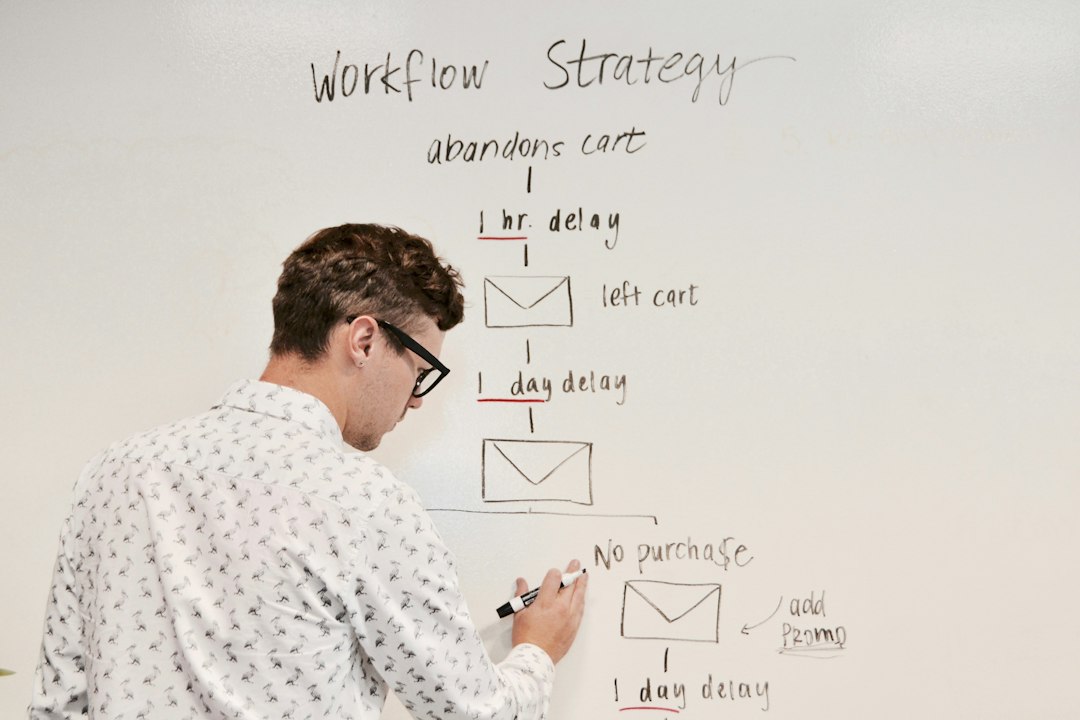
The typical fractional CMO journey begins with a dormant professional network and a single referral pipeline. The fastest path from one client to a full roster of 3-4 concurrent engagements is a LinkedIn content system structured around diagnostic posts, named frameworks, and short video demonstrations of how you think. A credible fractional CMO already has the expertise required to help founders — the gap between that expertise and a full client roster is almost always visibility, not capability.
This article walks through positioning, post formats, cadence, lead handling, and the specific content that converts fractional CMO engagements from "let's stay in touch" to "can you start Monday?" If you want to compress the content production side so it fits alongside client work, Storytime turns one long recording into a week of clips and text posts.
What this means for fractional CMOs:
- The average fractional CMO engagement lasts 6-12 months, which means 3-4 concurrent clients is enough to build a six-figure practice
- LinkedIn delivers the majority of inbound for active fractional CMOs in 2026, dwarfing referral networks and recruiter channels
- Video posts consistently earn 3-5x the reach of text-only posts, and fractional CMOs who post one 45-90 second video per week book roughly 2x the discovery calls of text-only peers
- Your posts should teach the thing you want to be hired for — not sell it
What is a fractional CMO LinkedIn strategy?
A fractional CMO LinkedIn strategy is a deliberate plan for using LinkedIn content to attract, qualify, and convert prospective clients into fractional engagements. It combines specific positioning, a consistent 3-5 post weekly cadence, and an emphasis on high-signal formats — diagnostic posts, named frameworks, teardowns, and short video explainers.
Unlike generic LinkedIn "growth hacking," a fractional CMO strategy is built around trust, not reach. You are not trying to go viral. You are trying to become the obvious answer when a Series A-B founder asks their network, "who do I talk to about building a real demand engine?"
The three pillars
- Positioning — a specific ICP, a specific outcome, and a differentiator only you can claim
- Content — teaching posts that expose the thinking a founder would hire you for
- Conversion — a calm, non-pushy path from post to DM to call to engagement
How should a fractional CMO position themselves on LinkedIn?
A fractional CMO should position around a specific vertical, stage, and outcome — not around "marketing." The more specific you are, the faster you become the default recommendation. Generic fractional CMOs compete on price; specific ones compete on fit.
A positioning statement that works:
"I help Series A-B vertical SaaS companies go from founder-led sales to a repeatable demand engine in 90 days."
Compare to:
"Fractional CMO helping startups grow through data-driven marketing."
The first triggers a specific mental pattern match in your buyer's head. The second triggers nothing.
Where positioning shows up
- LinkedIn headline — state who you help and the outcome, not your credentials
- About section — the first two lines are visible in the feed preview, use them deliberately
- Featured section — pin your strongest case study post and one video
- Content itself — every post should reinforce the same positioning
What content should a fractional CMO post on LinkedIn?
A fractional CMO should post content that exposes the thinking behind marketing decisions — not just the outcomes. Founders hire fractional CMOs for judgment, so posts that expose your judgment are the ones that convert.
Publish in five formats on rotation:
1. The 6-question diagnostic
Describe a real marketing problem, walk through the six questions you would ask before touching a budget, and explain what each question reveals. Aim for 300-400 words. Example setup: "A $4M ARR SaaS founder told me demos dropped 40% month-over-month. Here are the six questions I ran before touching anything."
2. The named framework
Invent a memorable name for how you approach a repeatable decision. "The 3-Gate Attribution Test." "The 90-Day Demand Sprint." "The Pipeline Reality Check." Named frameworks are sticky — readers remember them, share them, and pattern-match to them months later.
3. The public-company teardown
Pick a public company's marketing and analyze it with specificity. This is high effort but extraordinarily high signal. Founders reading it think "this person could do this for me."
4. The unpopular opinion grounded in experience
"Most Series A companies should kill their paid social budget and put it into partnerships. Here's the math." Not controversy for controversy's sake — principled disagreement with reasoning.
5. The short video take
45-90 seconds. You, camera, one idea, no b-roll. Video is where fractional CMOs separate themselves in 2026. See video content for fractional executives for the production playbook.
Rotate through the five formats weekly for 90 days before judging what's working. The compound begins around week 8.
How often should a fractional CMO post on LinkedIn?
A fractional CMO should post 3-5 times per week on LinkedIn, including at least one video per week. Fewer than three posts and the algorithm deprioritizes you; more than five and you start competing with your own posts for reach.
Depth beats volume. Three posts a week from a specific, experienced fractional CMO will outperform seven posts a week of recycled industry takes every time.
A realistic weekly cadence
- Monday — industry take or reaction to news in your vertical (text)
- Tuesday — short video, 45-90 seconds, one tactical idea
- Wednesday — diagnostic or teardown post (300-400 words)
- Thursday — rest, or heavy engagement in other people's comments
- Friday — named framework or unpopular opinion
- Weekend — longer-form post if the idea earns it, otherwise off
 Photo by Vitaly Gariev on Unsplash
How do fractional CMOs turn LinkedIn posts into paying clients?
Fractional CMOs turn LinkedIn posts into clients through a deliberate, patient conversion funnel: post teaches → follower engages → DM opens → short call → scoped engagement. The full cycle usually takes 30-90 days from first post view to signed agreement, and it does not involve outbound pitching.
The Inbound Fractional Funnel
The most common mistake is skipping steps 2-4 and jumping straight to a DM pitch. That kills the trust the content built.
Using video to accelerate the fractional CMO pipeline
Video is the single biggest accelerator for fractional CMOs on LinkedIn because it lets prospects pre-qualify you before they ever book a call. When a founder watches a 60-second clip of you explaining a marketing framework, they are effectively auditioning you for their next board meeting. Text posts cannot do that.
You do not need polished, edited, branded video. LinkedIn rewards authenticity. A well-framed clip of you speaking into your laptop camera with clean audio and subtitles almost always outperforms a studio-produced video in this category.
The catch is producing video consistently while running three engagements. This is exactly where Storytime's free plan takes over — record one 25-minute talk on Sunday, and it becomes your week of clips with captions and post copy auto-generated. Total active work: under an hour.
FAQs
How many clients can a fractional CMO realistically serve at once?
Most fractional CMOs can serve 3-4 concurrent clients comfortably depending on engagement depth. Operational, hands-on engagements (10-15 hours per week) max out at 2-3 concurrent clients; strategic advisory engagements (4-8 hours per week) can reach 4-5.
What's a typical fractional CMO engagement rate in 2026?
Fractional CMO rates in 2026 generally range from $8,000 to $25,000 per month depending on scope, seniority, and vertical. Top specialists charging $25K+ typically offer productized outcomes (e.g., "pipeline in 90 days") rather than hourly work.
Do I need to be a "content creator" to make this work?
No. Fractional CMOs are operators, not creators. The bar is being useful and specific, not being entertaining. If you can explain a marketing decision clearly to a founder on a Zoom call, you can make a LinkedIn post.
How do I get my first fractional CMO client from LinkedIn?
Most first clients come from engaged followers who were already in your loose network — former colleagues, former founders you worked with, second-degree connections. The first 90 days of consistent posting is about activating that latent network, not reaching strangers.
Should I share marketing numbers from my current clients?
Only with explicit permission and always with context. "A Series B SaaS company recently..." framings that preserve confidentiality while still being specific enough to be credible tend to perform best.
Start before you feel ready
Fractional CMOs who build full rosters from LinkedIn are not the ones with the best production or the wittiest prose. They are the ones who posted through the first awkward month when posts had 12 likes and the strategy felt broken. The compound starts around week 8, inbound DMs around week 12, and a waitlist around week 20.
If you are sitting on 15+ years of marketing expertise without a LinkedIn content system, the gap between where you are and where you could be is smaller than it feels. Record one session this weekend. Post it Monday. Start the compound.